





Travel through time in the Derwent Valley Mills World Heritage Site
Nestled in the heart of rural Derbyshire is the only World Heritage Site in the East Midlands. The Derwent Valley Mills World Heritage Site follows the mighty River Derwent for 15 miles, along the places that, in the 18th century were home to the world’s first ‘modern’ factories. From Matlock Bath in the north to the city of Derby in the south it is a place of contrasts; natural beauty and calm, dramatic river gorges, rural landscapes, communities and vibrant city environs. It has been home to creativity and manufacturing for over 250 years. There’s so much to explore and enjoy; pioneering mill buildings and complexes, railways, canals, settlements and communities with a rich sense of pride in our heritage.
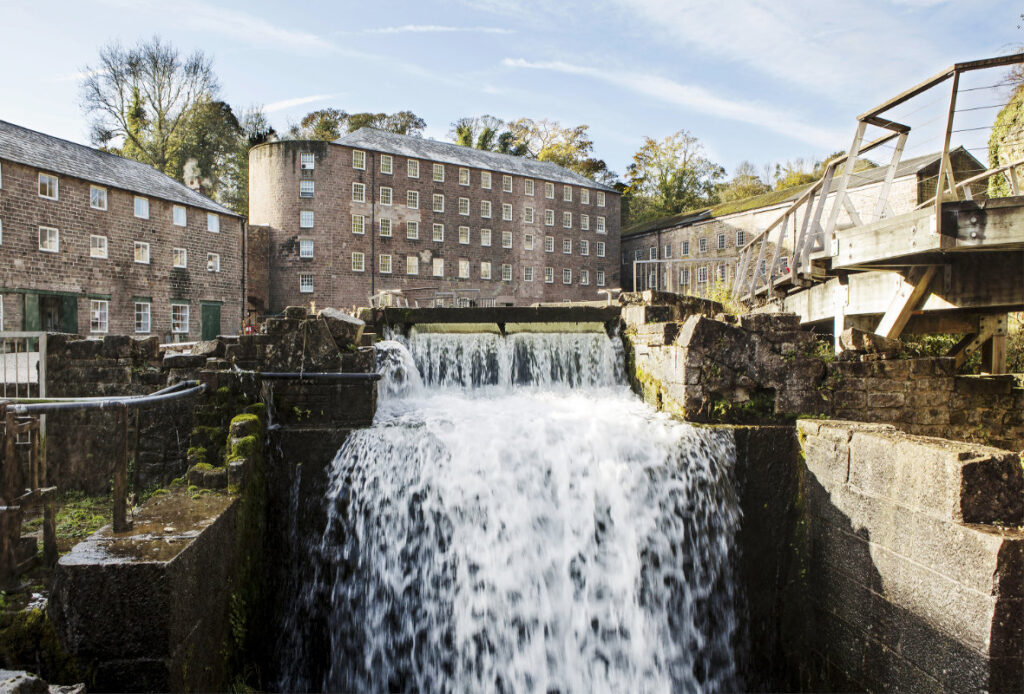
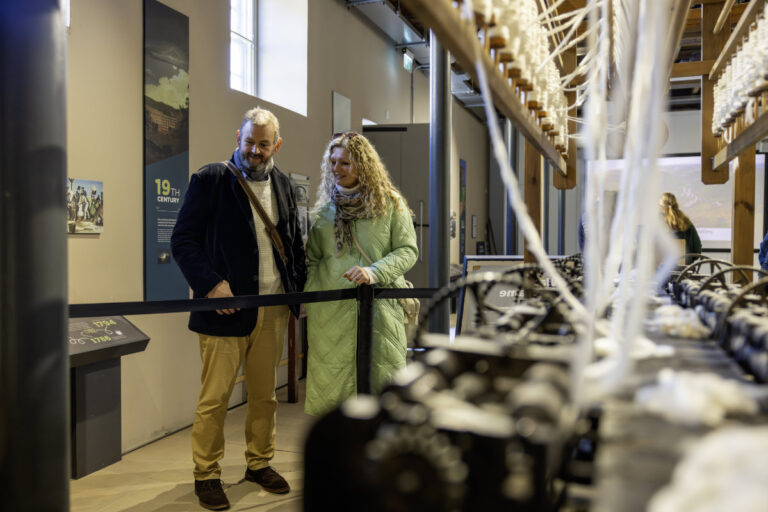
The north of the site is a great starting point – in the 18th Century Richard Arkwright devised modern factory production techniques at Cromford Mills. Explore the visitor centre with its historic machines illustrating the story of cotton, take a tour or meet Arkwright himself in a CGI projection inside the world’s first successful water-powered cotton spinning mill. With outdoor spaces, shops, cafes and year-round events there’s plenty for everyone.
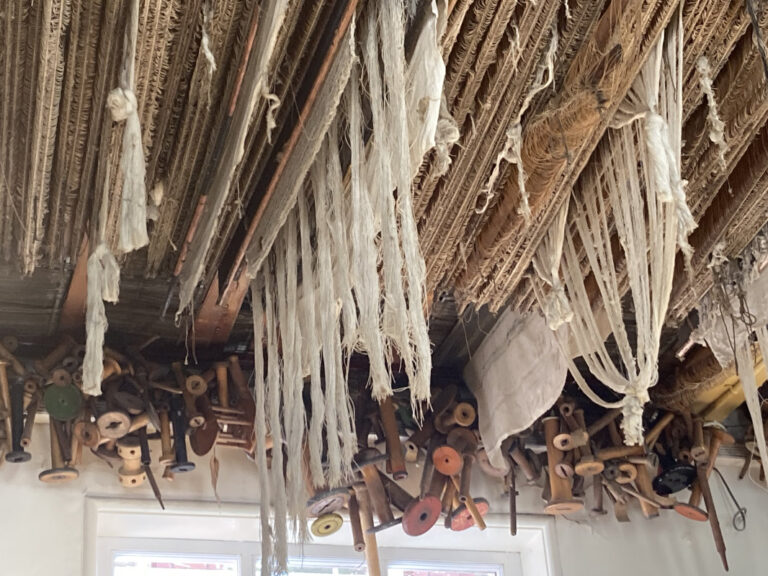
A short walk takes you to Arkwright’s Masson Mills. This working textile museum has an extensive collection of textile machinery with options of self-guided, guided or private tours. The atmospheric visitor centre is a great place to enjoy a coffee and cake and purchase cloth and string made at Masson alongside other wonderful handmade items from local makers.
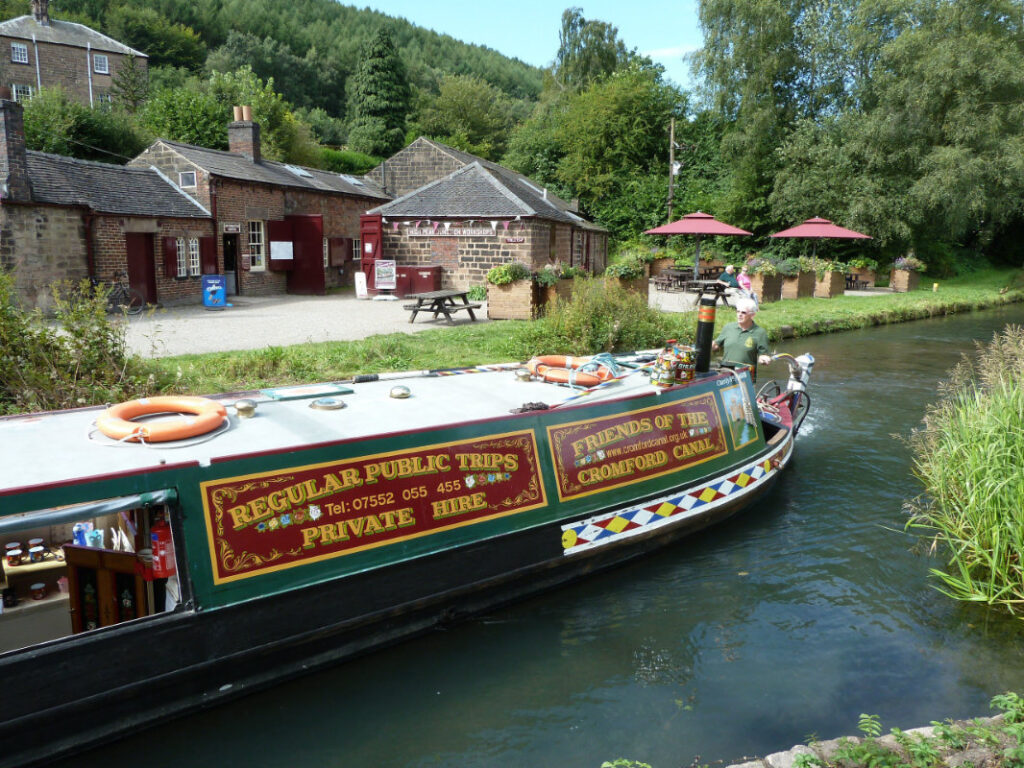
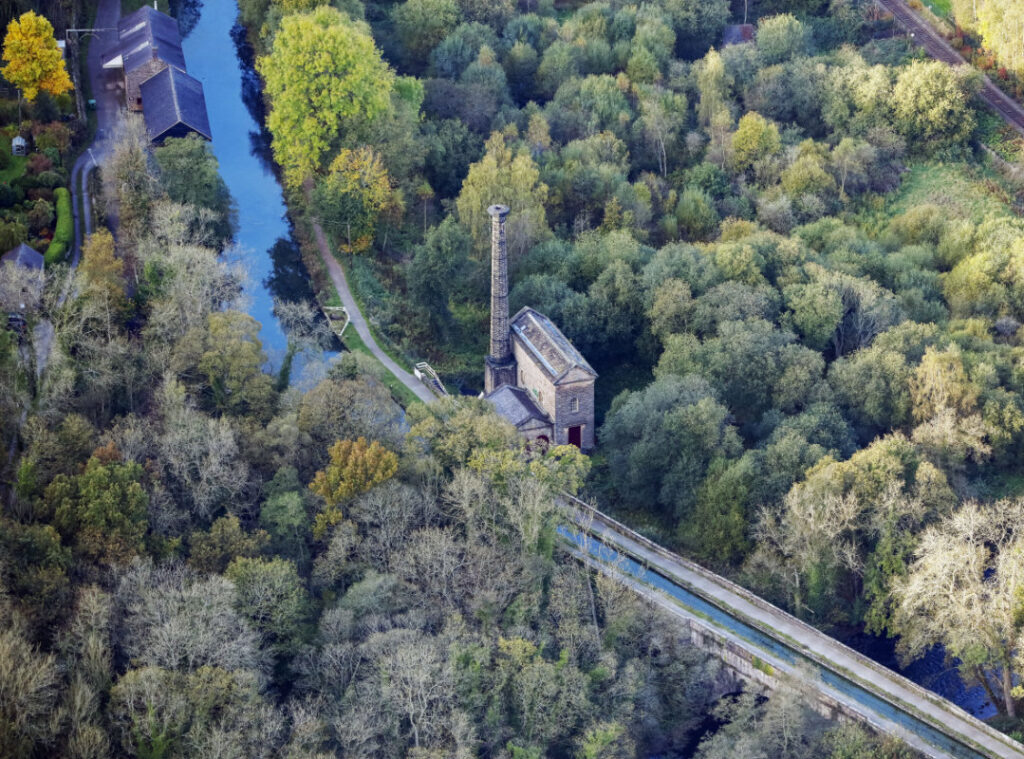
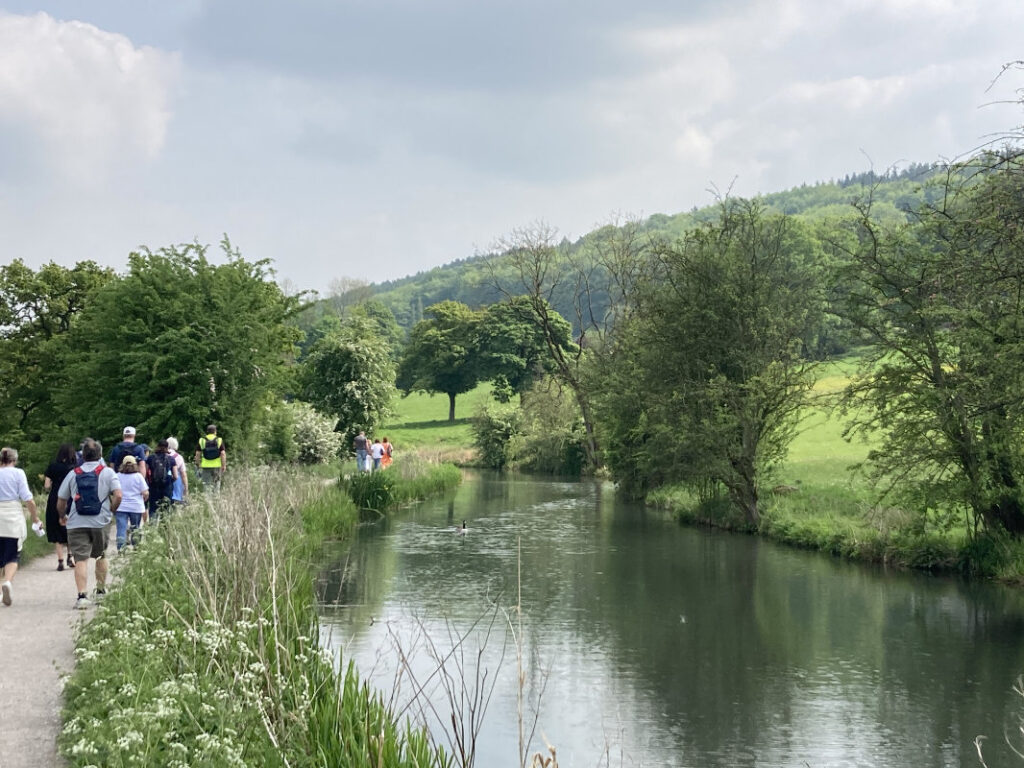
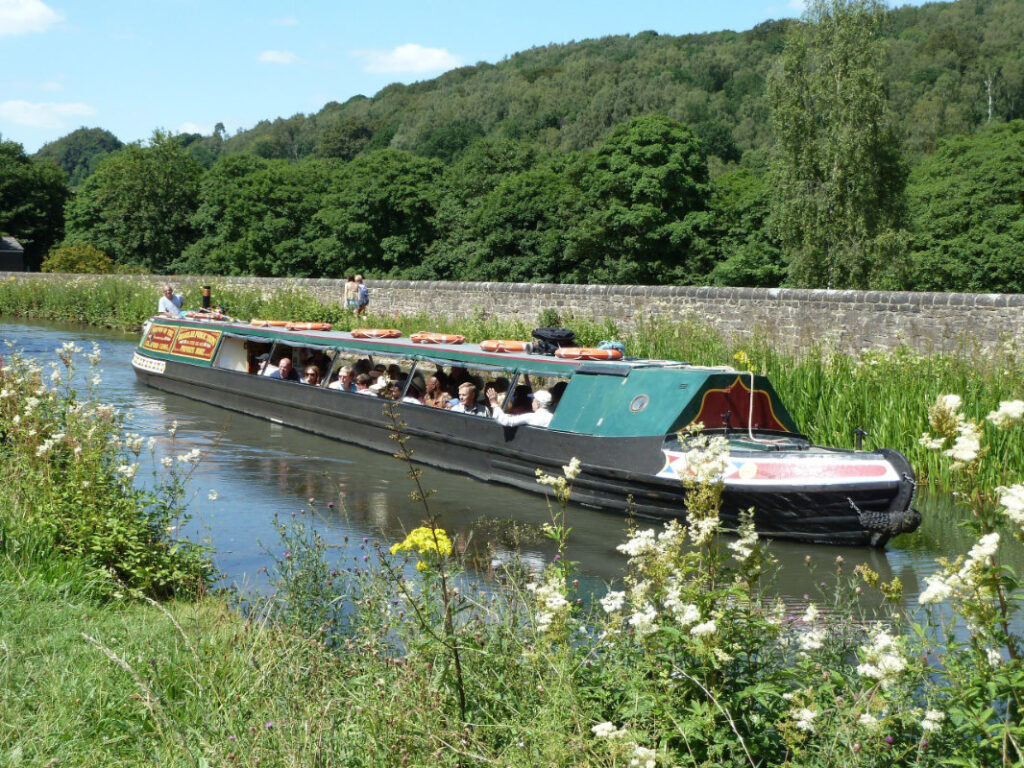
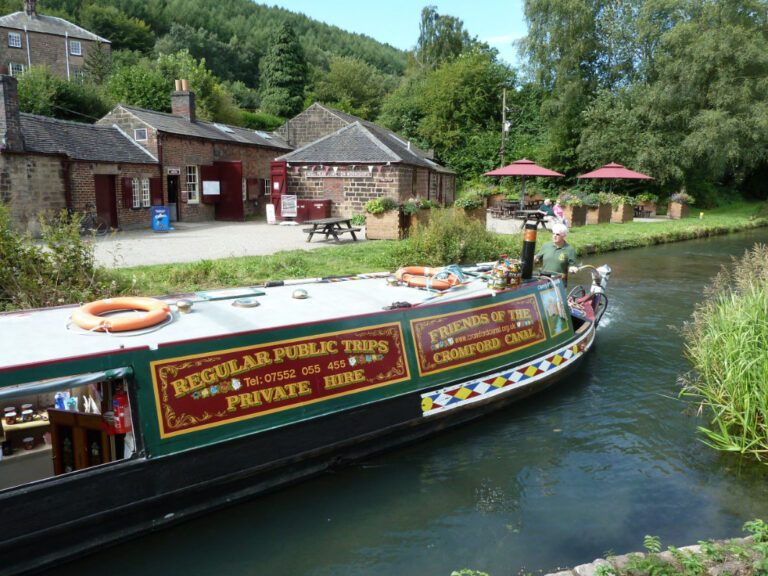
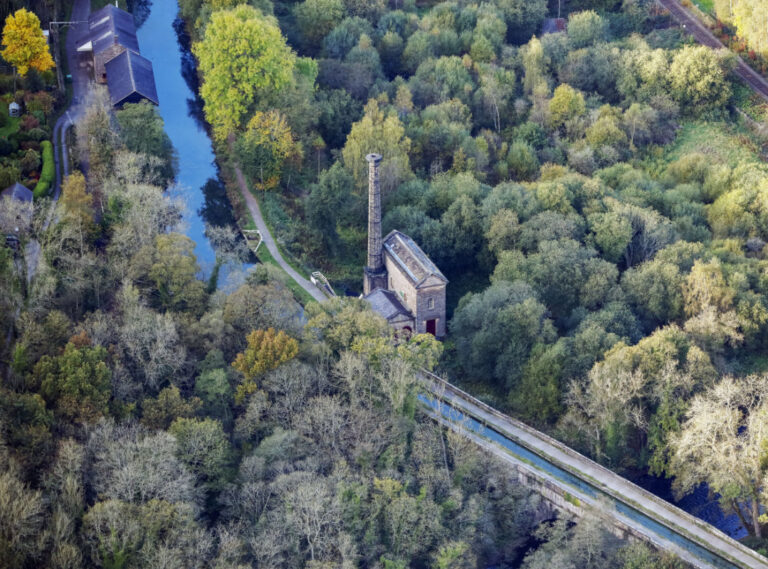
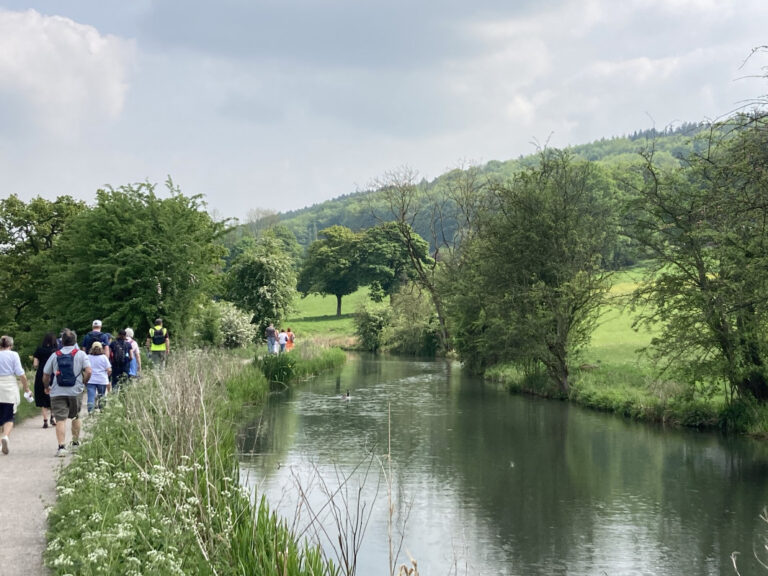
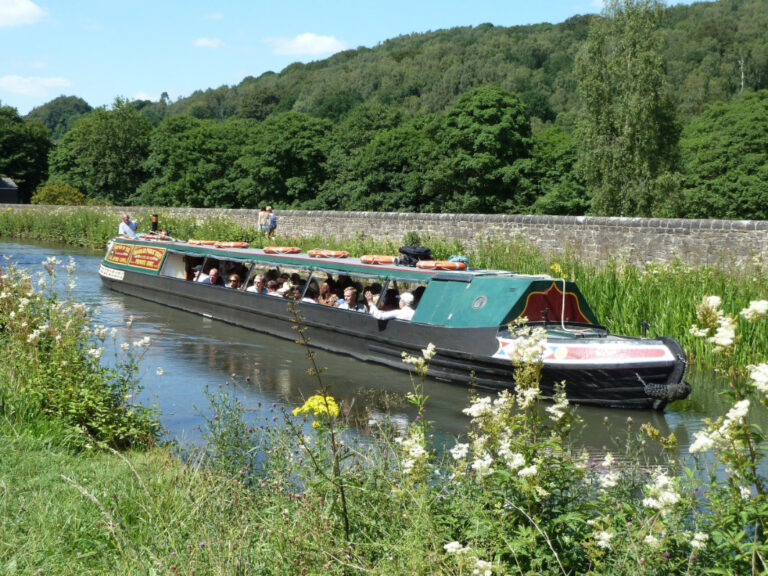
Over the road from Cromford Mills you can walk southwards along the Cromford Canal towpath. Enjoy the beautiful landscape and wildlife along the route, suitable for wheelchairs and pushchairs, or hire a tramper mobility scooter from Cromford Mills. Trips in ‘Birdswood’, the narrow boat belonging to the Friends of Cromford Canal, are a great way to explore the canal and its wildlife. A mile along the canal you reach High Peak Junction, some of the oldest railway workshops in the world. Step back in time with an audio tour or, on certain days, use the original forge to try your blacksmith skills. With light refreshments and picnic area you can recharge and relax before crossing the canal to see Leawood Pumphouse with it’s impressive beam engine which on ‘in steam’ days pumps water from the Derwent into the Canal. Nearby, Aqueduct Cottage is a restored lengthman’s and lock-keeper’s cottage – a great starting point to explore the Lea Wood and Derwentside Nature Reserves.
In Cromford village there are a range of shops and pubs around the old market place created by Arkwright. There’s also North Street, home to some of the earliest industrial housing in the world celebrating its 250th year in 2026
At Lea Mills, John Smedley have been continually producing luxury knitwear since 1784! Traditional craftmanship and the latest technology mean there’s always something wonderful in the factory shop. Tours of the operational factory can be pre-booked for groups.
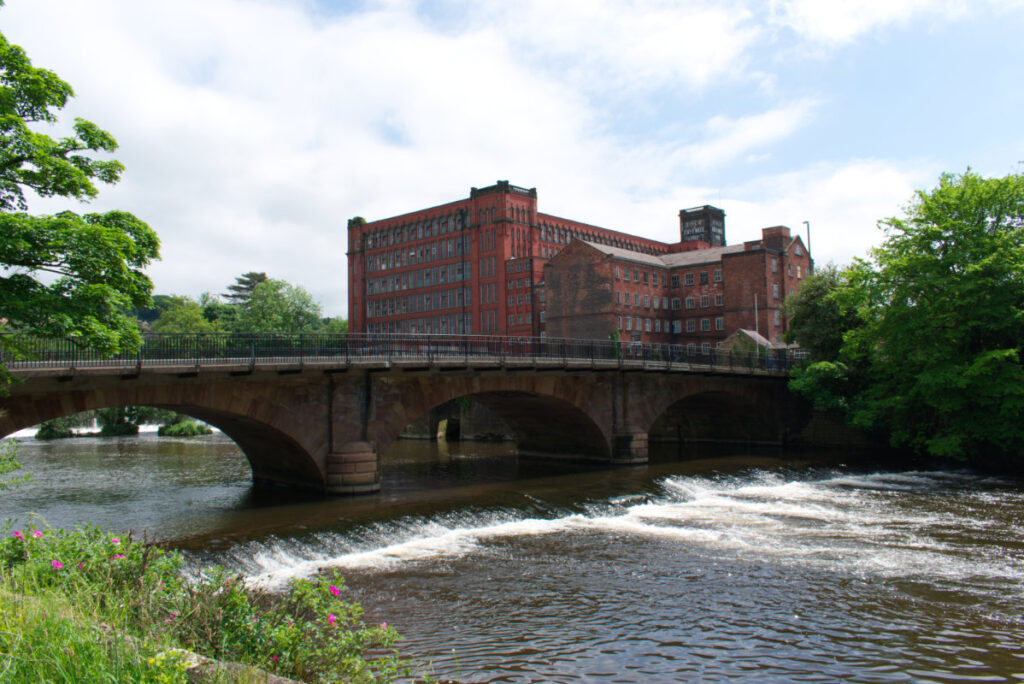
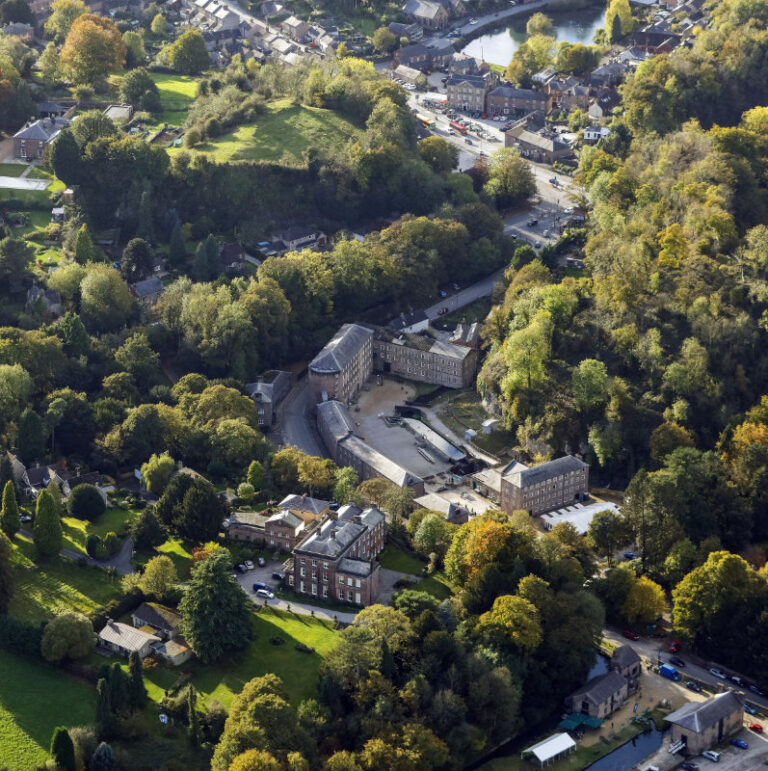
At the heart of the World Heritage Site you’ll find Belper, where Jedidiah Strutt and his sons started a huge cotton-spinning mill complex and the first cotton mill town. 2026 is a really special year for Belper marking 250 years since Jedidiah Strutt built his first cotton mill in the town, 300 years since his birth and 25 years since the Derwent Valley Mills became a World Heritage Site. BELPER 250 is a year-long festival celebrating these important anniversaries with a fantastic programme of over 100 events packed with creativity, heritage and community spirit. There’s something for everyone whatever your age or interest. Check out www.belper250.co.uk for more details. At any time you can marvel at the horseshoe weir which spans the river, harnessing the water to power the mills. The River Gardens, created by George Herbert Strutt, provide a wonderful setting for summer Sunday afternoon concerts, a café and playground. Belper North Mill Trust offer tours of the mill complex on Wednesdays and Saturdays and heritage walks and children’s activities throughout the year.
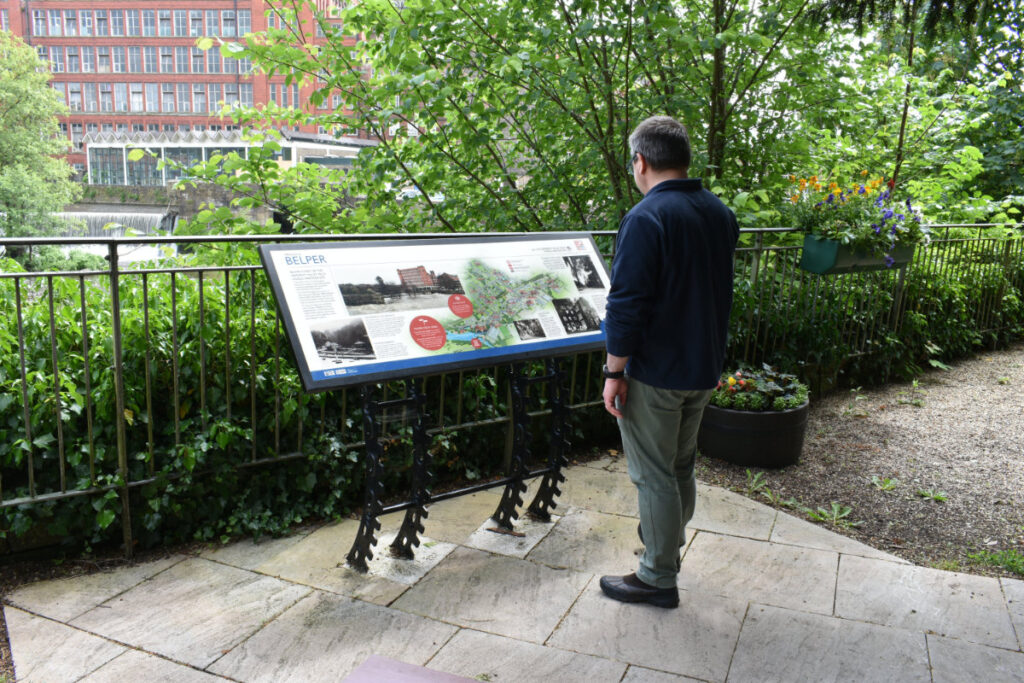
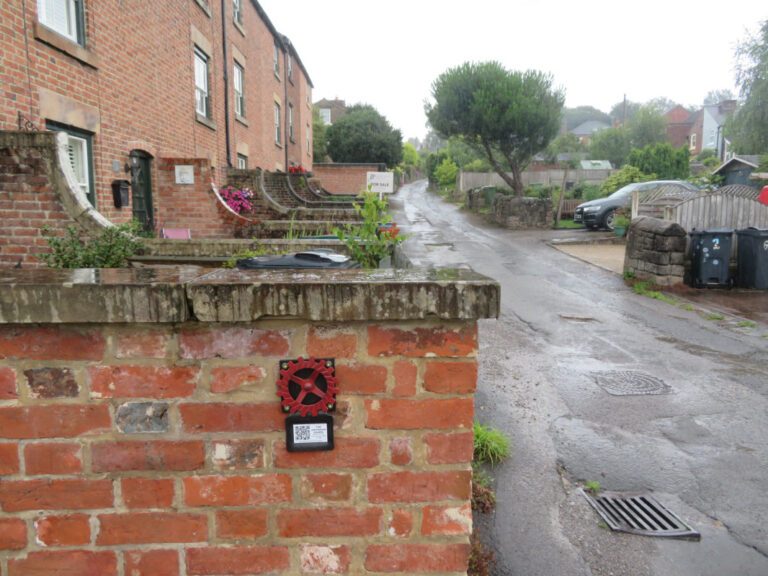
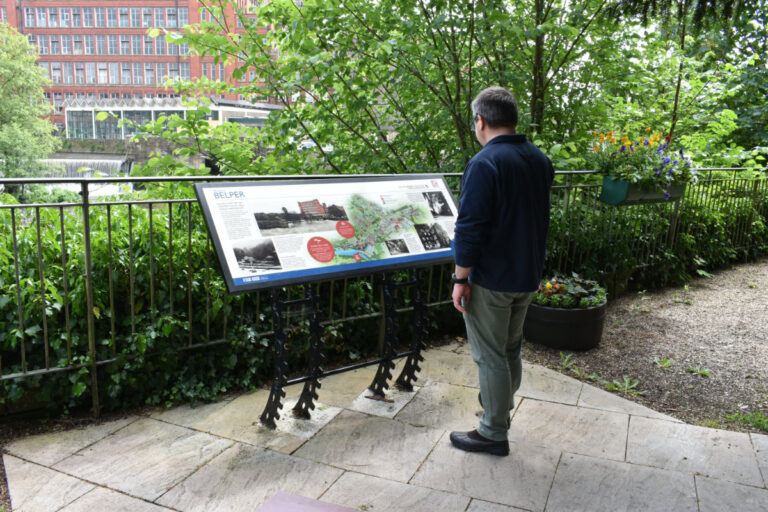
Belper has a wayfinding scheme with information boards and water-wheel shaped markers which will help you to explore the town, including the workers’ housing on Long Row and the Clusters and the railway cutting spanned by eleven bridges. Stop in the town centre for lots of independent shops, cafes and pubs – the town has twice won the Great British High Street Competition!
Further South is Milford – although the mills were demolished, the wayfinding boards and heritage trail markers will help you to explore the millworkers’ community.
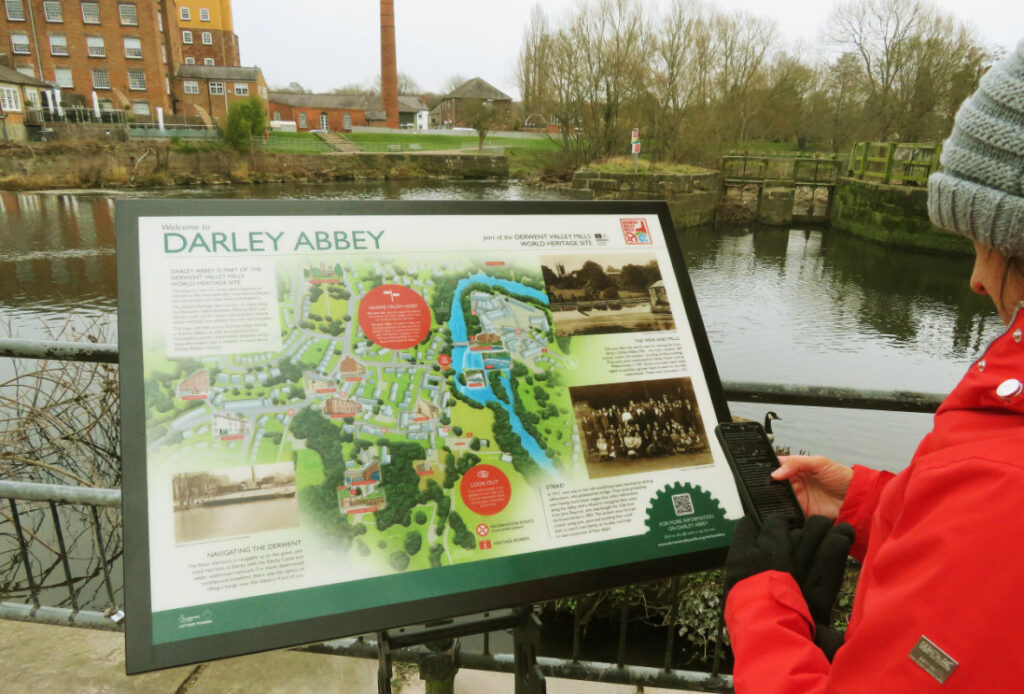
On the approach to Derby are the Darley Abbey Mills, with riverside cafes, wine-bars and more waterwheel plaque trail markers and boards. An attractive walk through Darley Park leads into Derby.
The Museum of Making is in the Derby Silk Mill, one of the world’s first factories. With a range of events and experiences you can be inspired to find your inner ‘maker’. Or take a cruise on the Derwent with the Derby Riverboat.
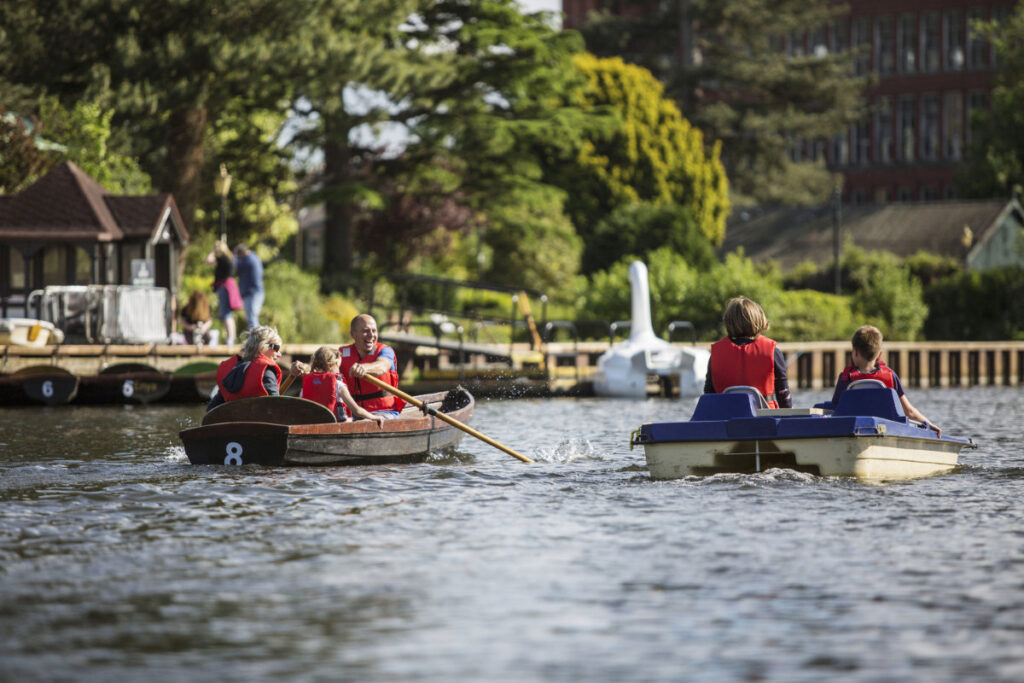
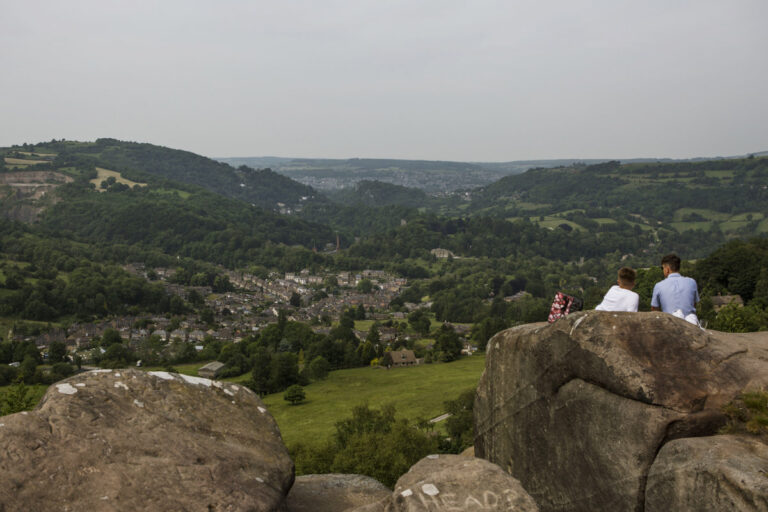
With the Derwent Valley Rail Line running through it’s heart there are so many options to travel through the site, stop off, walk, cycle and paddle. The Heritage Way offers chance to explore from the dramatic cliffs in the north to the gentle lowlands in the south.
More details can be found at www.derwentvalleymills.org
Sorry, no records were found. Please adjust your search criteria and try again.
Sorry, unable to load the Maps API.