
This is a place of ancient settlements, natural beauty, making and Enlightenment.
It is the birthplace of the modern factory, in a city which has been a powerhouse of creativity and manufacturing for over 300 years – where new ideas and technologies follow in the footsteps of pioneers who transformed the industrial world with their ingenuity and vision.
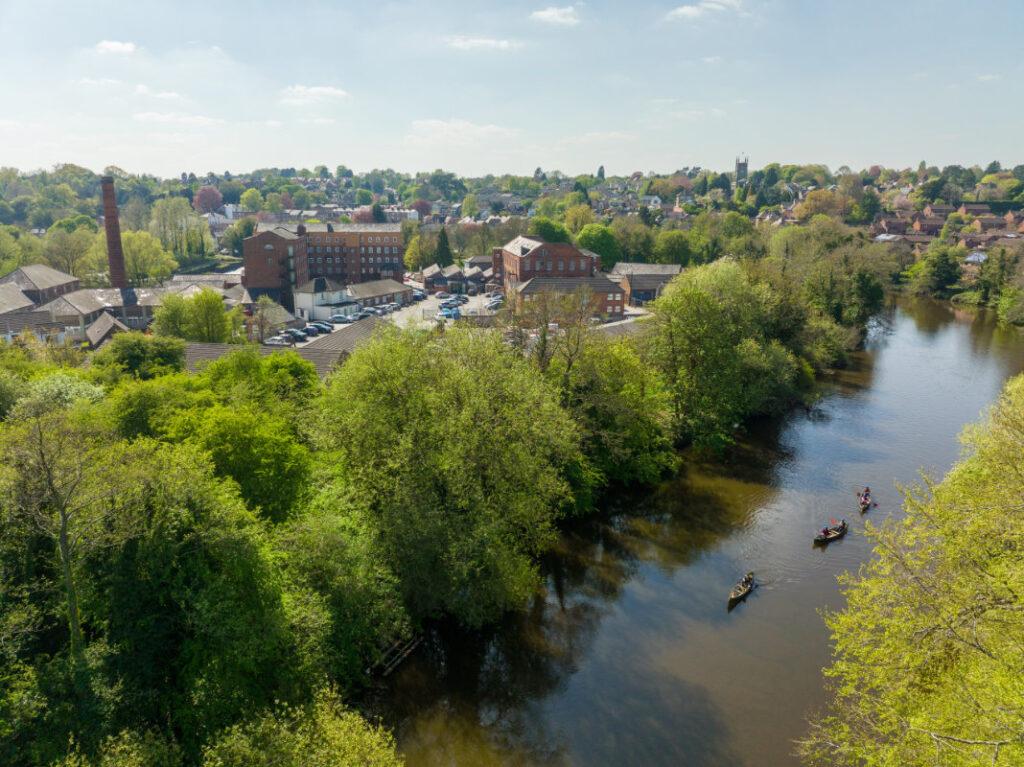
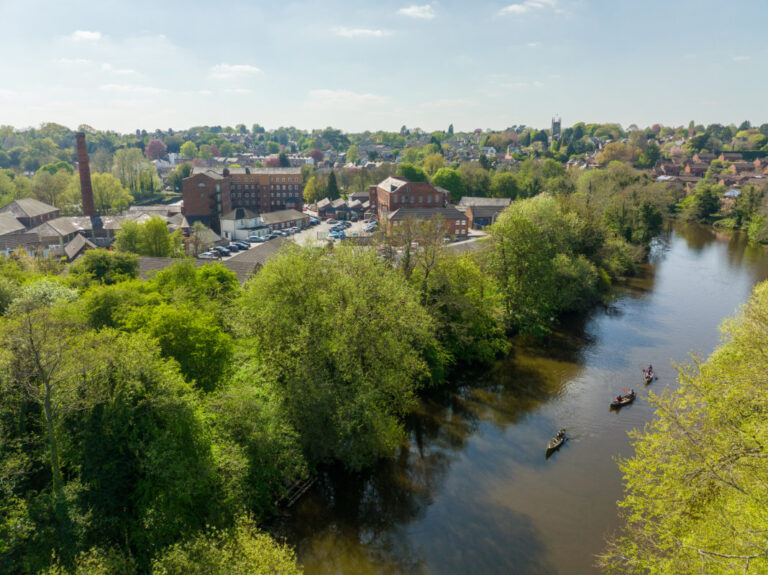
It is the site of an ancient community, rich in legends and a gateway to the open countryside of the north, where the Derwent once powered a model industrial village of mills and homes – now transformed, cherished by its residents and thriving with new businesses and entrepreneurs.
The river’s rushing waters which once powered the mills widen and slow in this place. It is a serene haven for wildlife alongside Darley Park – a peaceful green breathing space for the city, ever changing with the seasons and loved by generations who have joined here to celebrate nature and life through music and song.
Darley Abbey village contains the most complete 18th century mill complex in the world, built by the Evans family. The Darley Abbey Mills complex has been sympathetically restored and now houses several businesses, including a spectacular wedding venue. Find out more about the businesses and opportunities on site here. Wander through the tranquil streets of former millworkers’ houses. However, please be respectful to the people who live there.
Stop for a while at St Matthew’s, built by the first Walter Evans in 1819 as a church for the Evans family and the villagers. Exploring the graveyard, you may notice slate tablets identifying past millworkers and their children, and some Evans family graves. Below the church is a crypt, the final resting place for nine members of the Evans family.
Take a stroll in Darley Park, which was once the parkland setting for the Evans family home. Now it’s home to the National Hydrangea Collection, as well as a Butterfly Garden, children’s playground and a terrace cafe.
Darley Abbey, as its name suggests, was once the location of a religious community, and you can find the one surviving building from that time in the centre of the old village. Find out more about The Abbey in Hidden Heritage.
Sorry, no records were found. Please adjust your search criteria and try again.
Sorry, unable to load the Maps API.