CORNWALL’S MOST FAMOUS SMUGGLERS INN
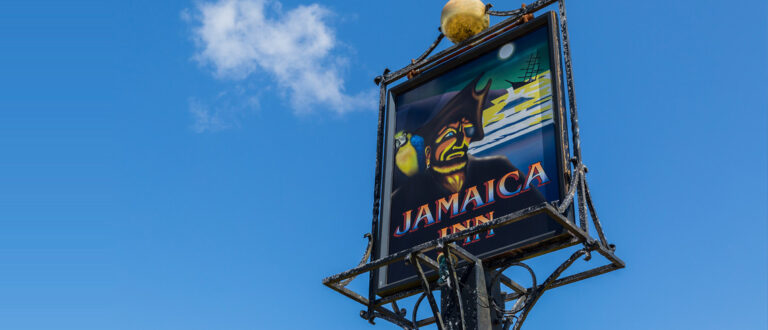
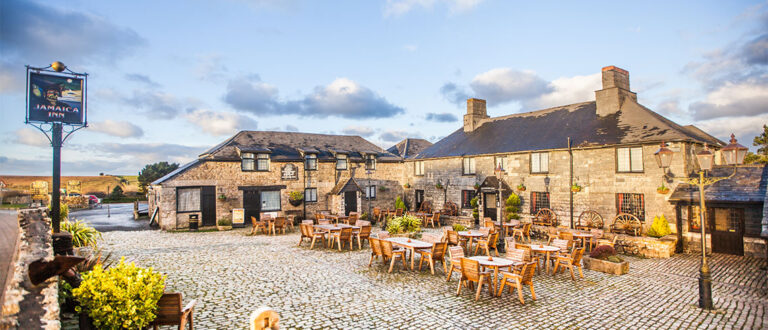
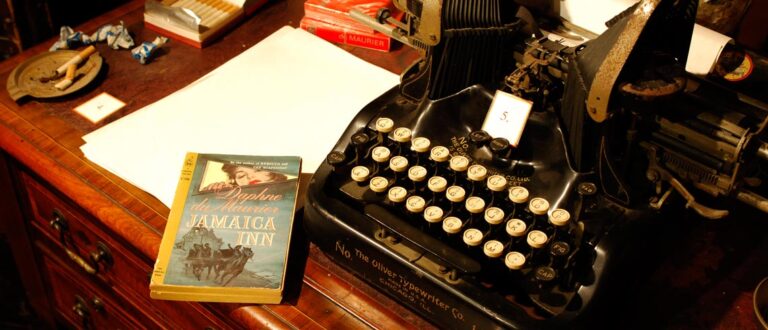
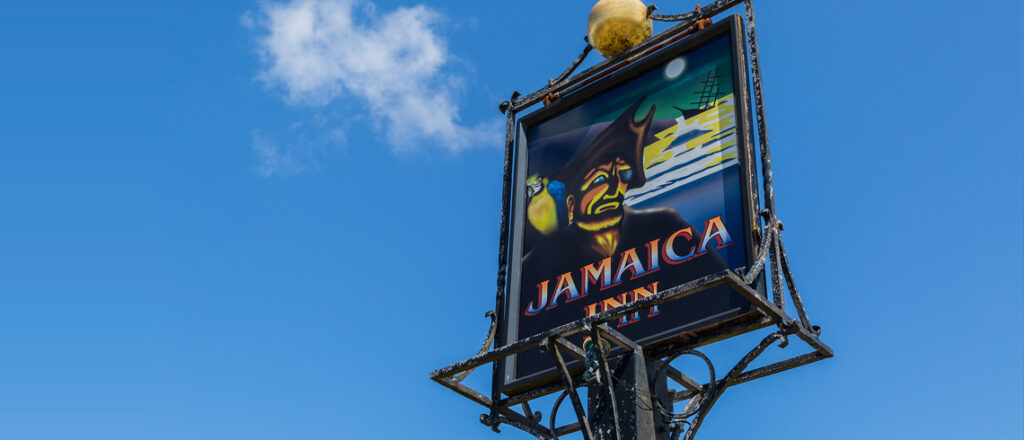
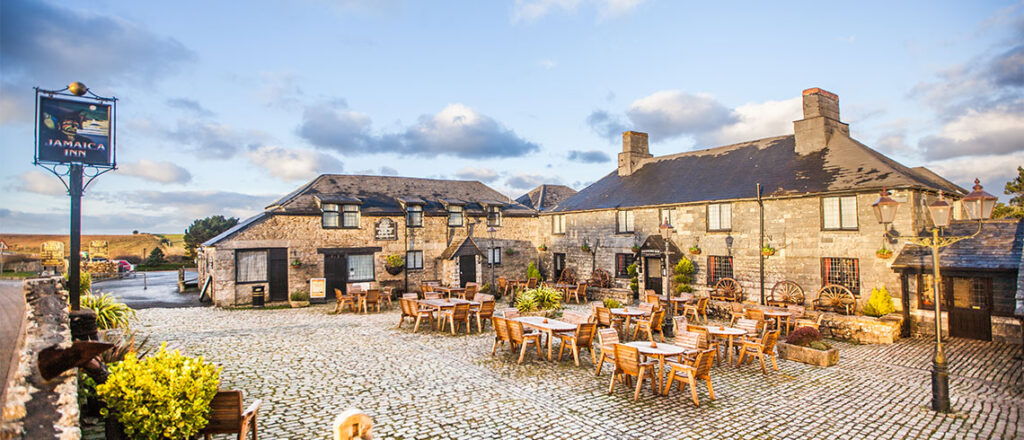
Welcome to Jamaica Inn, high up on wild and beautiful Bodmin Moor and made world-famous by Daphne du Maurier’s tale of smugglers, rogues and pirates. A new BBC drama of Jamaica Inn was broadcast at Easter 2014.
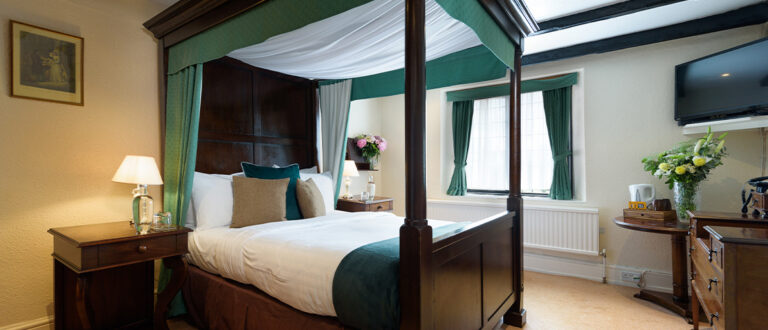
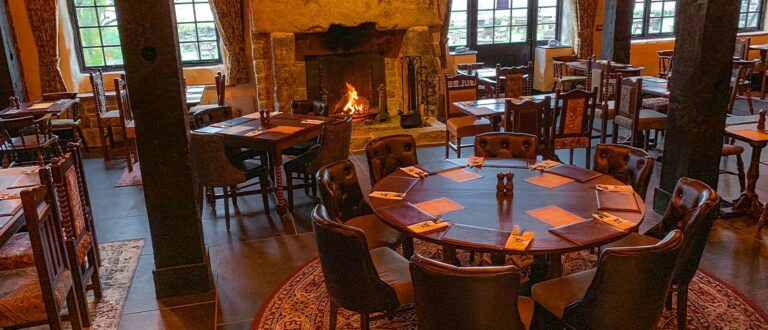
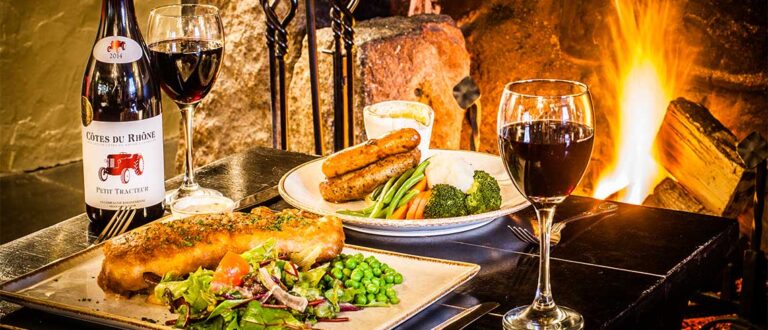
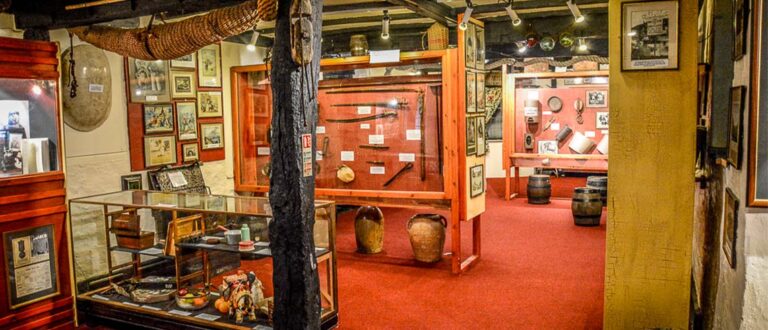
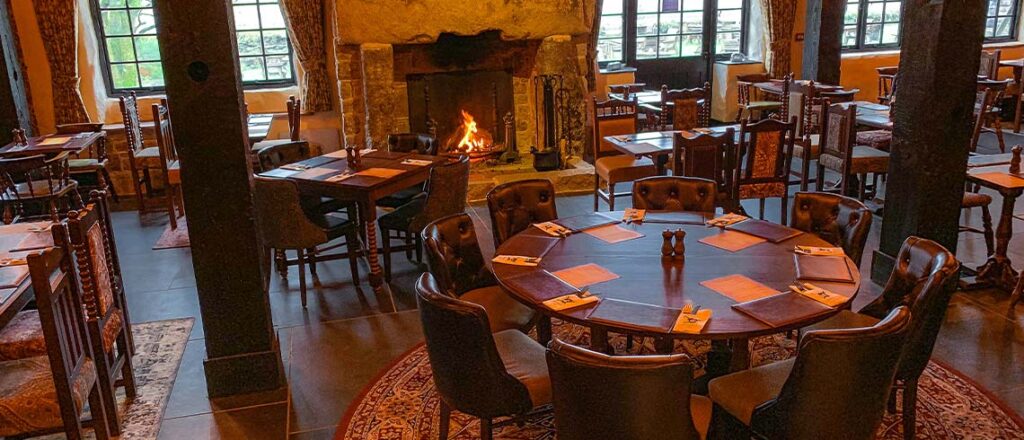
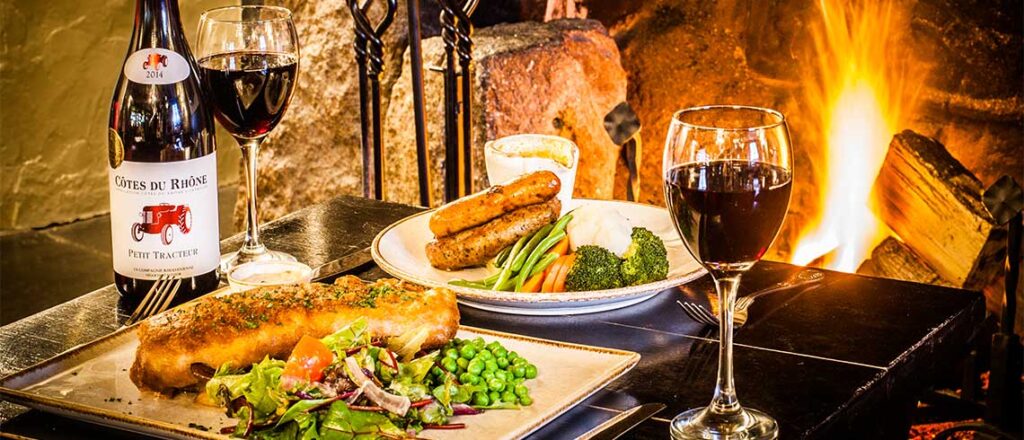
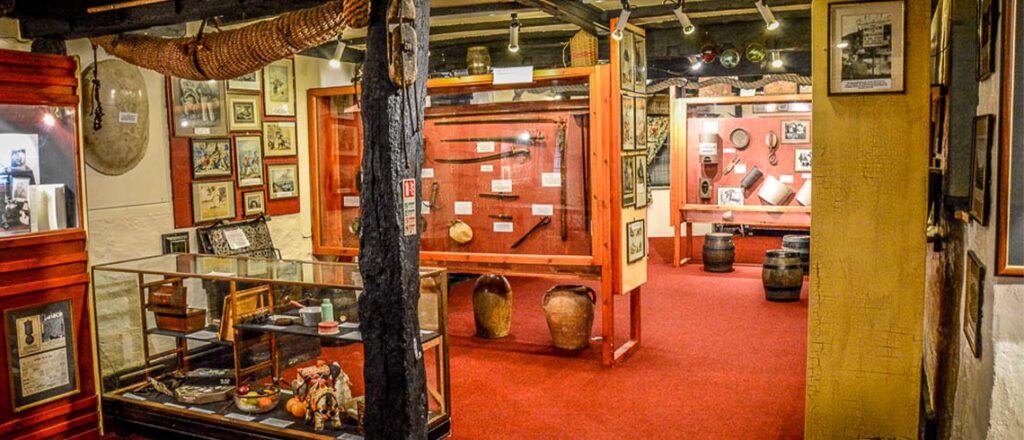
This historic coaching house has welcomed weary travellers crossing Bodmin Moor for nearly 300 years. Full of legend, mystery, romance and even, according to folklore, the odd friendly spirit, the Inn continues to welcome guests to its 20 en suite bedrooms, award-winning restaurant, ‘olde worlde’ bars with great local ales and wines, its souvenir shop and the fascinating Smugglers’ Museum where tales of wreckers, murderers and villains are brought wonderfully to life!
Jamaica Inn host their own ghost hunting nights with their own Paranormal Team !
The Inn is easily reached being just beside the A30 midway between Launceston and Bodmin. It is the perfect base for exploring the moor and being close to the Cornwall and Devon border it is also a great base for visiting almost anywhere in either county and still be back in time for dinner.
SMUGGLERS MUSEUM
The Smugglers Museum houses one of the finest collections of smuggling artefacts in the country. Featuring ‘The History of Jamaica Inn’, an educational and historical theatre show, the Museum brings alive many of the myths and legends associated with Jamaica Inn and Cornwall, including tales of wreckers and smugglers over the past 300 years.
Smuggling evolved when customs dues were first introduced in the thirteenth century, but there was no form of law and order until the fifteenth century and even then it was negligible. Goods such as silks, tea, tobacco and brandy were more frequently smuggled into Cornwall than anywhere else in England.
Cornish smugglers were not a violent breed, but very cunning. A famous eighteenth century economist defined a smuggler as: “A person who, though no doubt highly blameable for violating those of natural justice and who would have been in every respect an excellent citizen, had not the laws of his country made that a crime which nature never meant to be so”.
So, smuggling became accepted and most took part in the proceedings – even the revenue men were quite amenable to the odd bribe! Smuggling around the Cornish coast was comparatively simple as there were few men to enforce the law and even when a smuggler was caught, he was usually dealt with leniently by the presiding magistrates, most of whom were willing recipients of the smuggled goods.
Polperro on the south coast and Boscastle, Trebarwith and Tintagel on the North coast were the most used landing coves for bringing ashore contraband. Talland and Lanreath were regularly used by Polperro smugglers to hide their cargo. Jamaica Inn, in its isolation, provided the ideal premises for storing this contraband on its way up country.
Sorry, no records were found. Please adjust your search criteria and try again.
Sorry, unable to load the Maps API.


Check availability & prices at Jamaica Inn on Booking.com